

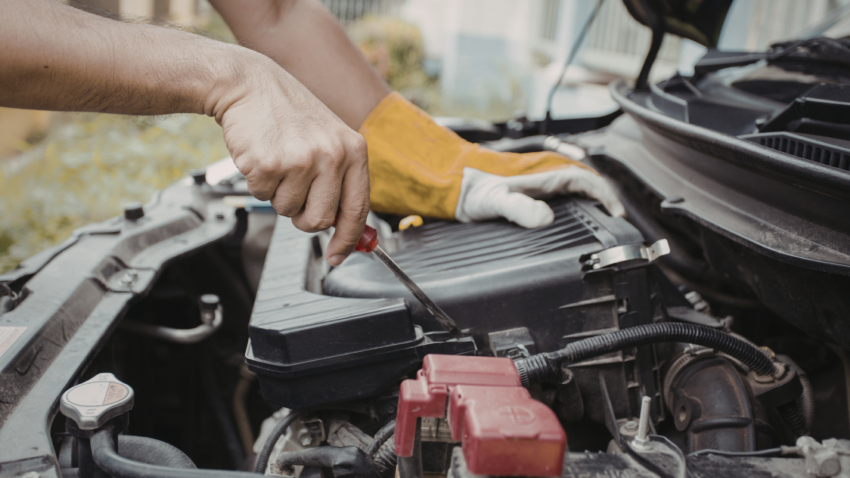
You can extend a car’s life by staying on top of simple, regular maintenance tasks and addressing small problems before they grow. Keep a consistent service schedule, monitor fluid levels and tire condition, and replace wear items on time to prevent costly failures and keep the vehicle reliable.
They will learn practical, proven steps that save money and time over the years of ownership. Short, actionable habits—like regular oil changes, timely brake and belt replacements, and proper tire care—make the biggest difference in longevity.
Car Maintenance Strategies to Make Your Car Last Longer
Routine inspection and timely service keep major systems reliable and reduce repair costs. Prioritizing oil, tires, brakes, filters, battery, fluids, and clean bodywork extends life and preserves resale value.
Follow the Owner’s Manual and Maintenance Schedule
The owner’s manual lists factory service intervals: oil change frequency, transmission service, spark plug replacement, and timing-belt/chain checks. Follow those mile- or time-based intervals exactly; they reflect the vehicle’s design and warranty requirements.
Record each service date and odometer reading in a maintenance log or app. Bring that log and the manual to the service center so technicians use the correct fluids and parts for that engine and trim.
If the manual lists severe-service intervals for towing or short trips, adopt the stricter schedule. Missing scheduled services increases wear on components like the timing belt, water pump, and clutch, and can void extended warranties.
Prioritize Regular Oil Changes and Fluid Checks
Change engine oil and the oil filter per the manual or every 5,000–10,000 miles for synthetic oil, depending on driving conditions. Use the oil grade and viscosity the manufacturer specifies to maintain oil pressure and protect the camshaft, pistons, and bearings.
Check transmission fluid, brake fluid, power steering fluid, coolant, and washer fluid monthly. Look for discoloration, metal particles, or a burnt smell; contaminated transmission or brake fluid warrants earlier service.
Top off coolant at the coolant reservoir with the recommended antifreeze mix, and replace fluids at the intervals the manual specifies to avoid overheating, corrosion, and sludge buildup that lead to costly repairs.
Monitor and Maintain Tire Health
Check tire pressure with a tire pressure gauge at least once a month and before long trips. Inflate to the pressure listed on the driver’s door jamb; underinflation raises rolling resistance, and tire life decreases.
Rotate tires every 5,000–7,500 miles to equalize wear and extend tire life; align wheels when uneven wear or steering pull appears. Inspect tread depth and replace tires at 2/32″ or sooner for poor wet traction.
Balance tires and check suspension components when vibration occurs. Proper tires and alignment improve fuel efficiency and reduce strain on steering components and wheel bearings.
Inspect and Replace Filters as Needed
Replace the engine air filter every 15,000–30,000 miles or sooner in dusty conditions to maintain fuel efficiency and protect the mass airflow sensor. A clogged air filter stresses the fuel system and can reduce spark plug life.
Change the cabin air filter annually to keep HVAC performance and prevent musty odors. Replace the fuel filter according to the manual; a clogged fuel filter reduces fuel pressure and can damage fuel injectors and the fuel pump.
Always install correct OEM or high-quality aftermarket filters and record replacements in the maintenance log to avoid missing intervals.
Care for the Battery and Electrical System
Test battery state-of-charge and cold-cranking amps annually and inspect for corrosion on terminals. Clean terminals and apply dielectric grease; tighten clamps to manufacturer torque specifications.
Use a battery tender for infrequently used cars to avoid deep discharge; remove parasitic drains by disconnecting accessories when parked long-term. Replace batteries at signs of slow cranking or when test voltage falls below manufacturer thresholds.
Scan the electrical system with an OBD-II scanner if intermittent faults appear. Address alternator or starter issues early to prevent being stranded and to avoid collateral damage to electronics.
Pay Attention to Warning Lights and Diagnostics
Treat any warning light seriously: check engine, ABS, battery, and oil pressure lights require immediate attention. Use an OBD-II scanner to read codes or have a technician run diagnostics to pinpoint faults before they worsen.
Address persistent or flashing check-engine codes quickly; neglect can cause catalytic converter damage or fuel-system failures. Keep a record of codes, repairs, and final fixes to help mechanics identify recurring problems.
Some lights have simple fixes (loose gas cap), but many indicate system stress that increases repair costs if ignored.
Replace Brake Pads, Belts, and Hoses Timely
Inspect brake pads and rotors at every oil change for thickness and scoring; replace pads when less than 3–4 mm of friction material remains. Flush brake fluid according to the manual to prevent moisture buildup and corrosion inside calipers and lines.
Check serpentine and timing belts for cracking or glazing and replace at the manufacturer’s interval; a failed timing belt can cause catastrophic engine damage. Inspect rubber hoses for swelling, soft spots, or leaks, and replace clamps and hoses during scheduled services.
Use OEM or high-quality replacement parts and have belt replacements and brake servicing performed by a qualified mechanic to ensure correct tension and torque.
Maintain Cleanliness and Prevent Rust
Wash the car regularly, focusing on wheel wells and the undercarriage to remove road salt and grime that accelerates corrosion. Wax-painted surfaces twice a year to protectthe clear coat and reduce paint degradation.
Address stone chips and scratches promptly with touch-up paint to prevent exposed metal from rusting. Treat trapped moisture areas such as drain channels, door sills, and trunk seams; apply rust inhibitor or undercoating where the manual or a body shop recommends.
Keep interior carpets dry and vacuumed to avoid mold and electrical issues in floor sensors. Rust prevention preserves structural integrity and resale value.
Adopt Smart Driving Habits to Reduce Wear
Avoid aggressive starts, hard braking, and high RPM driving; these behaviors increase wear on the engine, transmission, brakes, and tires. Use engine braking on long downhill grades to reduce brake heat and pad wear.
Warm the engine briefly in cold weather and avoid high-load driving until the oil reaches operating temperature. Shift gears smoothly and avoid lugging the engine at low RPM, which stresses the drivetrain and lowers fuel efficiency.
Limit frequent short trips that don’t allow the engine to reach full operating temperature; condensation and fuel dilution shorten oil life and accelerate corrosion in exhaust components.
Use High-Quality Products and Fuel
Fill with reputable fuels (Shell, Chevron, Mobil, or trusted local stations with high turnover) and choose the octane grade the manufacturer recommends to prevent knocking and protect the fuel system.
Use OEM or manufacturer-approved parts and fluids: correct-grade synthetic oil, transmission fluid, and coolant reduce wear and avoid compatibility problems. Consider reputable fuel-system cleaners and replace spark plugs per the manual to maintain combustion efficiency.
Cheap parts and off-spec fluids can cause premature wear and higher repair costs; investing in quality parts and fuel improves reliability and supports long-term car longevity.