

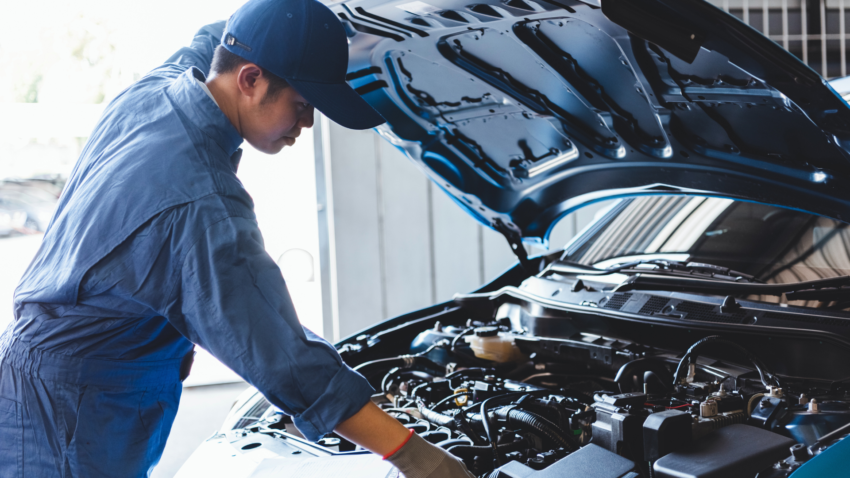
You keep your car running longer and avoid big repair bills by doing a few simple, consistent checks and services. Change the oil and filter on schedule, monitor fluid levels, and replace worn belts and hoses to prevent the most common engine failures.
He or she will learn clear, practical steps for regular maintenance that fit into busy routines and save money over time. The next sections explain what to check, how often to do it, and which warning signs require immediate attention.
Essential Steps to Look After Your Car Engine and Prevent Expensive Repairs
Routine, specific checks and timely replacements keep engines running longer, reduce the risk of overheating, and improve fuel economy. Tracking service intervals, fluids, belts, filters, and warning lights prevents the most common causes of costly repairs.
Follow a Consistent Maintenance Schedule
A written maintenance schedule aligns with the vehicle’s owner manual and the manufacturer’s service intervals. They should note oil change mileage, timing-belt replacement dates, coolant flush intervals, and spark plug service to avoid missed items that lead to engine wear or failure.
Use a calendar reminder or maintenance log to record each service: date, mileage, parts replaced, and fluid types used. This creates proof of upkeep for warranty or resale and helps spot patterns—like frequent coolant top-offs—that indicate leaks or head-gasket problems.
Adhere to short-term checks every month and service-shop items at the recommended mileage rather than waiting for symptoms.
Change Engine Oil and Oil Filter Regularly
Engine oil lubricates, cools, and removes contaminants; skipping regular oil changes accelerates wear and can cause engine seizure. Follow the owner’s manual for intervals; typical ranges are 3,000–7,500 miles for conventional oil and 7,500–15,000 miles for synthetic oil, depending on driving conditions.
Always replace the oil filter with each oil change to prevent trapped debris from circulating. Use the oil grade and viscosity the manufacturer specifies—using the wrong oil impairs lubrication and fuel economy.
Check oil level and color monthly; low or dark, gritty oil calls for immediate change and may signal internal problems.
Monitor and Replenish Coolant Levels
Coolant (antifreeze) prevents boiling and freezing and protects against corrosion; low or degraded coolant leads to overheating and warped heads. Check the coolant reservoir level weekly when the engine is cold and top to the “MAX/MIN” marks with the correct 50/50 mix unless the manual specifies a different ratio.
Flush and replace coolant per manufacturer intervals—typically every 30,000–60,000 miles—or sooner if test strips show low freeze/boil protection. Inspect radiator hoses and clamps for softness, cracks, or bulges, and replace them every 4–5 years or when damaged.
A failing water pump or stuck thermostat will cause temperature spikes; address temperature fluctuations immediately to avoid head-gasket failure.
Inspect and Replace Spark Plugs
Spark plugs affect combustion, engine performance, and fuel economy; worn plugs can cause misfires, rough idling, and increased emissions. Check plugs at the service interval—often 30,000–100,000 miles depending on plug type (copper, platinum, iridium).
Remove and inspect plug gaps, electrode wear, and deposits; replace if electrodes are rounded, gaps exceed spec, or fouling appears. Replace ignition wires or coils along with plugs when recommended to maintain spark integrity.
Properly gapped, new spark plugs restore a smooth idle, reduce engine misfire incidents, and improve acceleration and fuel efficiency.
Check and Replace Air Filters
A clean air filter ensures a correct air-fuel mixture and protects the intake and engine from dirt. Inspect the air filter every 12,000–15,000 miles or during every oil change; replace sooner if driving on dusty roads.
A clogged filter reduces power, increases fuel consumption, and can push contaminants into the throttle body or cylinders. Use OEM or high-quality aftermarket filters sized for the vehicle to preserve engine performance and emissions control.
Also, inspect the cabin and fuel-air intake seals for leaks that could bypass the filter with unfiltered air.
Pay Attention to Dashboard Warning Lights
Dashboard warning lights provide early detection of engine and emission issues; ignoring them can escalate to expensive repairs. Respond immediately to the check engine light, oil-pressure, or temperature warnings by reading OBD-II codes with a scanner or visiting a repair shop.
A flashing check engine light indicates active misfire that can damage the catalytic converter; stop driving and address the cause—spark plugs, ignition coils, or fuel delivery—promptly.
Record warnings and repairs in the maintenance log to identify recurring faults and ensure proper diagnosis.
Maintain the Cooling System Components
The cooling system includes the radiator, water pump, thermostat, hoses, and fan; failures here cause most overheating events. Replace the water pump and thermostat per the service schedule or at timing-belt service intervals because simultaneous failure risks are high.
Inspect radiator fins, pressure cap, and hose clamps for leaks and corrosion; clean debris from radiator fins to maintain airflow. Replace the radiator cap when its seal or spring weakens, as a bad cap reduces system pressure and boiling point.
When flushing coolant, run the system to purge air pockets and verify heater-core performance to ensure full circulation.
Check for Fluid Leaks
Fluid leaks cause low levels, contamination, and component failure if not corrected. Check under the vehicle and around the engine bay for oil, coolant, transmission, brake, and power steering fluid leaks weekly.
Use white cardboard or paper to spot colors and identify fluids: amber/dirty oil, pink/clear coolant, red/brown transmission fluid, or clear brake fluid. Tighten accessible fittings, replace gaskets or seals, and have shop-level repairs for head-gasket or transmission pan issues.
Log any leak fixes and monitor recurrence; repeated leaks point to underlying pressure or gasket problems.
Replace Timing Belt and Drive Belts on Time
Timing belts control valve timing; failure can cause catastrophic engine damage in interference engines. Replace timing belts at manufacturer intervals—commonly 60,000–100,000 miles—and replace the water pump, tensioner, and idler pulleys at the same time to avoid repeated labor costs.
Inspect accessory drive belts (serpentine) for cracks, glazing, or fraying and replace them every 50,000–80,000 miles or when wear appears. Proper belt tension prevents slippage and maintains power steering, alternator charging, and air conditioning function.
Document belt changes in the maintenance log to prevent missed replacements that lead to engine valve damage and costly repairs.
Use Recommended Fuel and Engine Oil Types
Using the manufacturer-recommended fuel octane and oil type preserves ignition timing and lubrication properties. Higher-octane fuel is only necessary where specified; using it unnecessarily wastes money without benefit.
Choose the engine oil viscosity and specification (API/ACEA) listed in the owner’s manual; mixing conventional oil with synthetic is acceptable only when compatible, but follow service intervals accordingly.
For cleaner injectors and combustion, use a fuel injector cleaner periodically as recommended, and avoid long-term use of low-quality fuels that increase deposits and reduce engine lifespan.
Drive Smoothly and Avoid Engine Overload
Aggressive driving, frequent high-RPM use, and heavy loads accelerate wear and reduce fuel economy. Encourage steady acceleration, sensible cruising RPMs, and avoid lugging the engine in low gears to maintain torque and reduce strain.
Limit towing beyond the vehicle’s rated capacity and avoid extended idling that raises engine temperatures and deposits fuel residues. Use gradual warm-ups in cold weather rather than high RPMs to reach operating temperature efficiently.
Consistent, moderate driving habits lower oil contamination rates, reduce overheating events, and extend component longevity.
Document Maintenance with a Log
A maintenance log provides a clear record of oil changes, coolant flushes, belt replacements, and diagnostic repairs. They should include dates, mileage, parts used (oil grade, filter part numbers, coolant type), and service provider details.
A well-kept log helps technicians diagnose recurring issues, enforces recommended intervals, and substantiates claims for warranty or resale value.
Keep both digital and physical copies and attach invoices and OBD-II readouts for a complete service history.