

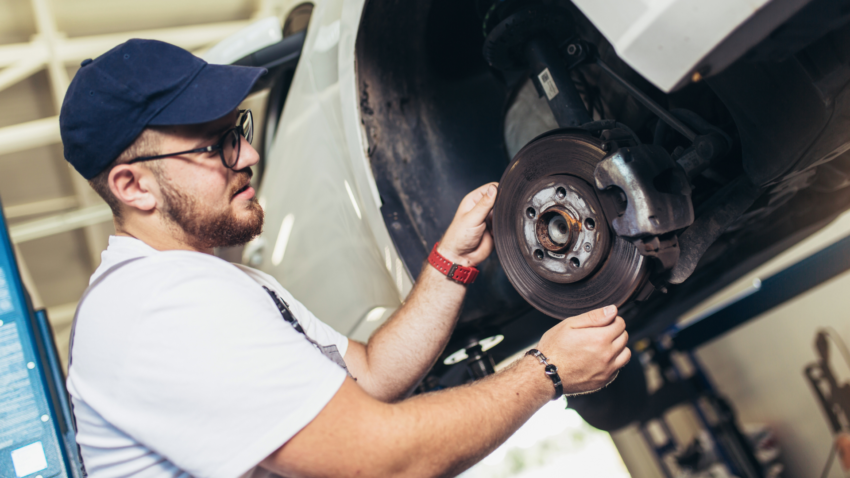
You face a simple but costly decision: fix the car or replace it. Weigh the repair cost against the vehicle’s value, safety, reliability, and how long you plan to keep it. If the repair approaches or exceeds the car’s current market value, or the vehicle will likely need more major repairs soon, replacement is usually the smarter choice.
The rest of the article walks through quick calculations, safety and reliability checks, and lifestyle factors that help you decide with confidence. Follow the steps to make a clear, financially sound choice that fits your needs and budget.
How to Know When to Repair a Car Versus Replace It
Weigh direct costs, future reliability, and safety when deciding whether to repair or replace a vehicle. Consider market value, likely future repairs, and how important modern safety and fuel savings are to daily use.
Comparing Cost of Repairs and Car Value
They should compare the repair bill to the car’s current market value from sources like Kelley Blue Book or Edmunds. If a single repair approaches 50% or more of the car’s market value, replacement usually makes more financial sense.
Create a quick checklist: estimated repair cost, car value (KBB/Edmunds), and likely resale price after repair. Use that to see the net benefit.
Include past repair history and frequency of past fixes when estimating additional immediate costs. For older cars with low market value, recurring major repairs (engine, transmission, or steering problems) often exceed what the car is worth.
Evaluating Repair Frequency and Reliability
They should track repair history and predict future repairs based on age, mileage, and symptom patterns. If the vehicle needs multiple repairs every year—transmission work, frequent electrical failures, or persistent steering issues—it signals declining reliability.
Count the number of unscheduled repairs in the past 12–24 months and total cost; use that annualized number to compare with the monthly payment on a replacement vehicle.
Consider parts availability for older cars: if parts are rare or expensive, repair timelines and costs will rise. Also consider certified pre-owned warranties or extended warranty options that can change the repair vs replace calculation.
Assessing Safety Considerations and Modern Features
They should inventory safety equipment: airbags (including advanced airbags), stability control, rearview camera, blind-spot monitoring, lane departure warning, and collision alerts. Lack of these increases crash risk and may raise insurance costs or reduce resale value.
If the car lacks key safety features that new vehicles include as standard, replacing it may reduce long-term risk and lower insurance premiums.
Factor in safety-related repairability: structural damage, airbag replacement, or failed safety systems are expensive and affect occupant protection. For frequent highway driving, modern driver-assist tech provides measurable benefits.
Long-Term Costs: Insurance, Fuel Efficiency, and Parts Availability
They should calculate ongoing costs: insurance premiums, fuel economy, maintenance (oil changes, brakes), and parts availability. A newer car with better fuel efficiency can save hundreds to thousands per year in fuel.
Check insurance quotes for the current car versus a replacement; newer cars with safety tech can lower premiums, while luxury or high-performance new cars can raise them.
Evaluate parts availability for older models: scarce parts raise repair lead times and prices. Estimate five-year total ownership costs—fuel, insurance, routine maintenance, and expected repairs—to compare keeping the car versus buying new.
Considering Personal Circumstances and Sentimental Value
They should weigh daily needs, budget, and non-financial factors like sentimental value. If the car is a primary commuter and repairs cause missed work, replacement may be preferable.
Family size and safety priorities matter: a larger family may need modern crash protection and rear-seat features that older cars lack.
Sentimental attachment or specialized modifications can justify repairs despite poor economics. Also consider timing: certified pre-owned vehicles or end-of-model-year incentives can make replacement cheaper at certain times.