

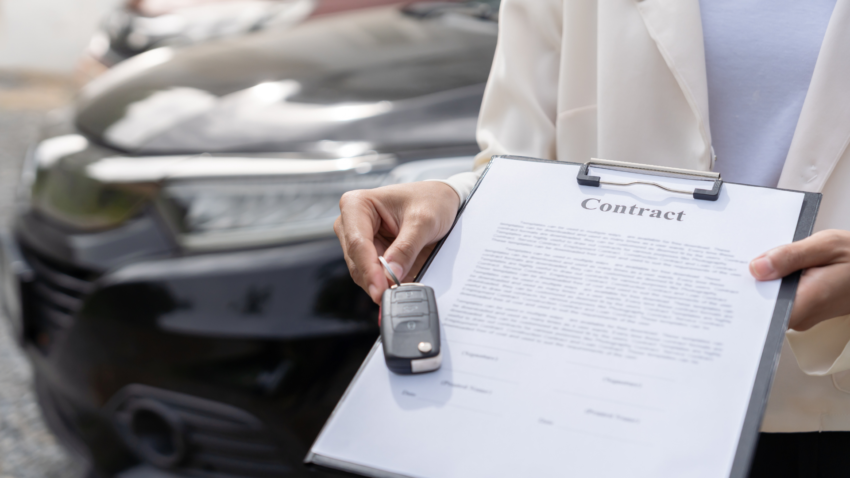
You want to avoid costly surprises when buying a used car, and checking its history delivers that protection quickly. Run a vehicle history report and verify title status, mileage, and accident records before you sign anything.
They should cross-check the report with service records, a professional inspection, and the seller’s answers to confirm the car’s condition and ownership. This article shows how to pull reports, interpret key entries, and use red flags to negotiate or walk away.
How to Check a Car’s History Before Purchasing
A buyer should verify the vehicle identification number, review a full vehicle history report, confirm title and ownership, check odometer integrity, investigate accident and salvage records, validate recall status, inspect service histories, and get a pre-purchase mechanical inspection.
Locate and Verify the Vehicle Identification Number (VIN)
The VIN is a 17-character code stamped on the dashboard, driver-door jamb, and vehicle title. Buyers should copy the VIN exactly and compare it across the dashboard plate, door sticker, registration, and title to spot mismatches that indicate cloning or title fraud.
Use the VIN to query databases such as NMVTIS, Carfax, and AutoCheck. If characters look altered, smudged, or uneven, that suggests tampering; photograph serials and request seller proof of ownership. For imported or older vehicles with nonstandard VINs, verify with a licensed inspector or DMV for proper decoding.
Obtain and Analyze a Comprehensive Vehicle History Report
Purchase a comprehensive vehicle history report from NMVTIS, Carfax, or AutoCheck to get title events, branded-title flags, reported odometer readings, and insurance total-loss entries. NMVTIS is federally authorized to show salvage and title-brand history, while Carfax and AutoCheck often include dealer service and auction records.
Focus on inconsistencies: sudden mileage drops, multiple title states, “salvage” or “rebuilt” brands, previous total-loss claims, and frequent owner changes. Use report timestamps to trace repairs after an accident. Save PDFs and compare reports from multiple providers to fill gaps and corroborate findings.
Evaluate Title Status and Ownership History
Confirm the title status on the report and title document: clean title, salvage title, rebuilt/reconstructed title, or lemon law buyback. A salvage or rebuilt title signals substantial prior damage or an insurance total loss, which lowers resale value and may affect safety and insurability.
Check ownership history for the number of previous owners, abrupt transfers, or dealer-to-dealer moves. Multiple short-term owners or out-of-state title transfers can indicate undisclosed problems. Contact the issuing state’s DMV for title-brand verification when in doubt.
Review Odometer Readings and Detect Mileage Issues
Compare odometer readings from service records, inspections, and title transfers across the vehicle history report for consistent progression. Look for mileage decreases, repeated resets, or large unexplained jumps; these are red flags for odometer rollback or tampering.
Cross-check service invoices showing mileage at each visit and independent inspection records. If readings conflict, request maintenance receipts or a notarized odometer statement. Report suspected odometer fraud to the state DMV and NICB (National Insurance Crime Bureau).
Check for Accident History and Vehicle Damage
Search the report for accident records, damage severity, airbag deployment, and related insurance claims. Minor dents or single-claim repairs are different from structural/frame damage or multiple collision events; prioritize structural integrity and airbag history.
Request repair invoices that specify replaced components and frame repairs. Inspect photos in auction reports and ask whether repairs used OEM or aftermarket parts. If reports show successive damage events or inconsistent repair descriptions, order a detailed mechanical and body inspection.
Research Recall Status and Open Safety Recalls
Use the VIN on SaferCar.gov or the manufacturer’s recall lookup to identify open safety recalls, airbag inflator campaigns, or software updates. Open recalls can be repaired for free at dealerships; confirm whether recall repairs were completed and obtain service records that document the work.
Check NHTSA recall descriptions against the vehicle’s model year and options. If the seller cannot prove recall completion, insist on completed recall repairs before purchase or include completion in the sale contract.
Inspect Service and Maintenance Records
Gather oil change receipts, major service invoices, and dealer maintenance records to verify regular care and timing-belt or transmission service milestones. Consistent service history from franchised dealers and certified shops increases confidence in component longevity and supports odometer accuracy claims.
Look for gaps in service, mismatched shop stamps, or generic entries that lack mileage or dates. Request records for major repairs after reported accidents and confirm whether repairs meet factory specifications. Save digital copies for warranty transfer and future resale.
Investigate for Hidden Damage, Flood, or Salvage Issues
Search the history report and NICB records for flood damage, water intrusion, or salvage titles. Look for mold, corrosion, replaced interior trim, or electrical gremlins documented in service records or seller disclosures. Flood-damaged cars often show inconsistent electrical repairs, replaced wiring harnesses, or new carpeting.
Physically inspect for musty odors, corrosion in trunk seams, silt lines, and non-factory fasteners. If NMVTIS or insurance records indicate water loss or salvage branding, treat the vehicle as high risk and avoid purchase unless full professional restoration documentation exists.
Compare Different Vehicle History Providers and Tools
Use at least two sources—NMVTIS plus Carfax or AutoCheck—to cross-check title brands, insurance total-loss events, and auction damage photos. NMVTIS is reliable for salvage and title information; Carfax and AutoCheck may include dealer service and auction history that NMVTIS lacks.
Evaluate free VIN checks (manufacturer recall lookup, NICB, SaferCar.gov) alongside paid reports. Document discrepancies between providers, then seek original documents like title certificates, repair invoices, and auction reports to resolve conflicts.
Verify History with Pre-Purchase Mechanical Inspection
Arrange a pre-purchase inspection with an independent ASE-certified mechanic who will check frame alignment, suspension, engine condition, and for hidden repairs. Provide the mechanic with the vehicle history report and service records so they can target suspected issues like previous flood exposure, frame repairs, or odometer inconsistencies.
Request a written inspection report detailing safety items, required repairs, and cost estimates. If the inspector finds undisclosed damage or major repair needs, renegotiate the price, demand repairs, or walk away.