

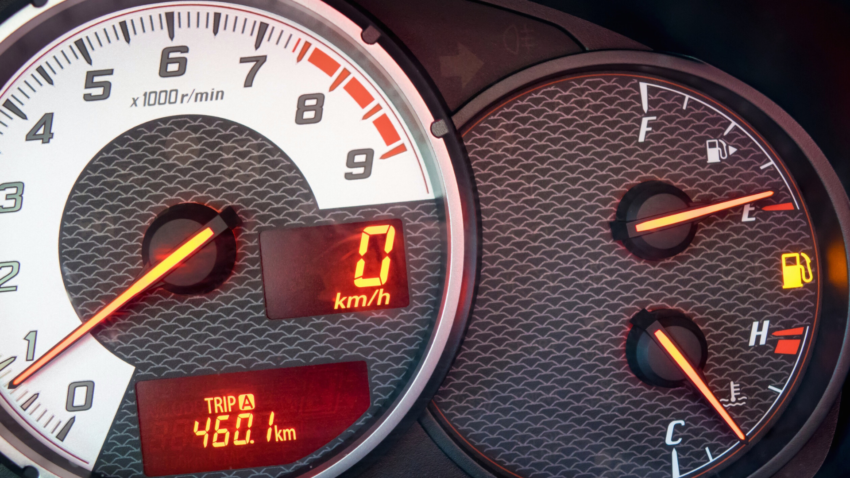
You spot a warning light and feel that sudden jolt of uncertainty; this article gives clear, practical explanations so you can act with confidence. Know which lights signal immediate danger, which require prompt service, and which are informational so you can prioritize action.
They cover common symbols like engine, battery, oil, brake, and tire-pressure indicators and explain what each means for safety and vehicle health. Follow concise guidance on when to pull over, when to schedule a repair, and what you can safely ignore for a short drive.
Common Warning Lights on a Dashboard and What They Mean
This section lists common dashboard symbols, explains what each light indicates, and gives clear actions to take when a light appears. It focuses on safety-critical flags like brake, oil, and temperature, plus routine maintenance alerts such as TPMS and service reminders.
Check Engine Light and Engine Warning Symbols
The check engine light (CEL) or engine warning light signals emissions, ignition, fuel, or sensor faults. Steady illumination usually means a non-emergency fault — they should schedule a diagnosis with an OBD-II scanner to read fault codes. A flashing CEL indicates a severe misfire that can damage the catalytic converter; they should stop driving and tow the vehicle.
Specific engine symbols may indicate turbocharger, diesel glow plugs, or electronic throttle faults. Codes related to the oxygen sensor, mass air flow, or EVAP system commonly cause the CEL. If the engine shows reduced power or warning text like “reduced engine power,” they should limit speed and seek service.
Brake System and ABS Warning Lights
A red brake warning light often means the parking brake is engaged or brake fluid is low. They should check the parking brake and the brake fluid reservoir immediately; low brake fluid can indicate worn pads or a leak and reduce braking performance. A persistent red brake light requires stopping and calling a qualified mechanic.
The amber ABS light indicates an anti-lock braking system fault. ABS may be disabled while standard brakes still work. ABS faults commonly stem from wheel speed sensors or module issues and require diagnostic scanning to restore anti-lock function.
Oil Pressure and Oil Level Warnings
An oil pressure warning light signals dangerously low oil pressure, not just a low oil level. They should stop the engine immediately to prevent severe engine damage. Topping off oil does not fix pressure caused by a failed oil pump or blocked oil passages; tow and inspect.
Oil level warnings indicate low oil quantity. They should check the dipstick and add the correct oil grade. Persistent oil-level drops can signal leaks or burning oil; a mechanic should inspect for gasket or seal failure.
Battery and Charging System Indicators
A battery or charging system light means the alternator may not charge the battery. They should check for a loose alternator belt, corroded terminals, or a failing alternator. Continue driving only if accessories are off and the battery has a charge; otherwise, the vehicle can stall.
Electrical faults sometimes trigger other warning lights or erratic systems. If the battery light comes on alongside dimming lights or clicking relays, they should stop and arrange service to avoid being stranded.
Coolant and Engine Temperature Alerts
A coolant or temperature warning light signals engine overheating or a low coolant level. They should stop as soon as it’s safe, let the engine cool, and inspect the coolant level when cold. Driving while overheated risks head gasket failure, warped heads, or a seized engine.
Coolant smell, steam, or visible leaks indicate a coolant system breach. Thermostat, water pump, radiator, or hose failures commonly cause overheating and need prompt repair.
Tire Pressure Monitoring and TPMS Indicators
The TPMS warning light indicates one or more tires have low pressure or a sensor fault. They should check pressures with a gauge and inflate to the manufacturer’s specifications. Low tire pressure affects handling, increases wear, and raises fuel consumption.
If the light flashes and then stays lit, the TPMS sensor battery or system has a fault requiring professional diagnosis. After tire repair or rotation, they may need to reset the TPMS per the owner’s manual.
Traction Control and Stability Warnings
The traction control or ESP light indicates the traction system is active or has a fault. If it flashes, the system currently intervenes to prevent wheel slip. This is normal on slippery roads and requires no repair unless it stays on continuously.
A steady traction control warning suggests a sensor or ABS/traction module fault. These systems use wheel speed sensors and yaw sensors; diagnostic fault codes point the mechanic to the failed component.
Airbag and SRS System Lights
An airbag or SRS light warns of faults in airbag deployment circuits, seat belt pretensioners, or occupancy sensors. They should not ignore this light since airbags may not deploy in a crash. Common causes include faulty crash sensors, harness connectors, or seat occupancy mat issues.
If the light appears after battery replacement or collision repair, the system may need to be reset with proper diagnostic tools. Driving with the SRS light on increases the risk of a collision.
Transmission and Power Steering Warnings
Transmission warning lights indicate faults like overheating, slipping, or electronic shift control errors. They may display messages such as “transmission hot” or a gear symbol. If the transmission temperature light comes on, they should stop and let it cool; continued driving can cause internal damage.
Power steering warning lights signal loss of hydraulic or electric assist. They should expect heavier steering and drive cautiously to a service center. Causes include fluid loss, pump failure, or electrical faults in EPS systems.
Master Warning and Other General Indicators
A master warning light or triangle with an exclamation mark aggregates multiple non-critical faults and alerts the driver to check the instrument cluster messages. They should read the message center or infotainment alerts for specifics such as low washer fluid, service reminders, or door ajar warnings.
Other general lights include service engine soon or maintenance required. These often indicate scheduled maintenance items like oil change or multi-point inspection, and should be addressed according to the owner’s maintenance schedule.
Fuel Level, Filter, and Exhaust System Lights
A low fuel indicator warns of critically low fuel and requires refueling to avoid running out. Diesel vehicles also have glow plugs and a diesel particulate filter (DPF) lights. A DPF warning can mean soot accumulation; they may need a forced regeneration or service to avoid filter damage.
Fuel filter warning or catalytic converter lights indicate fuel delivery or emissions system problems. Ignoring these can reduce performance, increase emissions, and damage catalytic components.
Lighting and Visibility Indicators
Turn signal indicators flash to confirm signaling; a rapid flash usually means a bulb is out and needs replacement. Headlight, fog light, and rear fog indicators show active exterior lighting systems and alert drivers to burnt bulbs or headlamp aim issues.
Rear window defrost and windshield defrost indicators confirm heating elements are active. If these lights fail to illuminate, wiring or fuse faults are common causes and should be checked.
Driver Assistance and Safety Symbols
Driver assistance lights include lane departure, lane assist, forward collision, adaptive cruise control, and distance warning indicators. They inform about system status, calibration needs, or sensor obstruction from dirt, ice, or heavy rain. If a symbol shows a camera or radar fault, they should clean the sensors and restart the system.
When adaptive cruise control or speed limiter displays a fault, the vehicle may revert to manual control. Professional recalibration or sensor replacement may be necessary after windshield replacement or collision repairs.